Which Cats Are Hypoallergenic? Breeds, Evidence and How to Test
In this article
No cat is fully hypoallergenic. Every cat makes Fel d 1, the protein that most people with a cat allergy react to, whatever its breed, coat or colour. Some breeds, and above all some individual cats, make less of it. That can improve your odds, but the only way to know how you will cope is to spend real time with the cat you have in mind.
In short
- Are there hypoallergenic cats? No. Allergy UK puts it plainly: there is no such thing as a truly hypoallergenic or non-allergic cat. Hairless cats and crossbreeds make Fel d 1 too.
- Breeds you will see on every list: Siberian, Balinese, Russian Blue, Devon Rex, Cornish Rex and Sphynx. Only the Siberian has been studied at all, and that research is thin.
- The cat matters more than the breed: the amount of allergen can differ up to a hundredfold from one cat to the next. Females and neutered males make less than unneutered males.
- Test before you commit: if cats have given you symptoms, see your GP first, then make several long visits to the actual cat you want.
- Got asthma? Talk to your GP or asthma nurse before a cat moves in.
Why no cat is truly hypoallergenic
Most people think they are allergic to cat hair. The hair itself is rarely the problem. The trouble comes from proteins in a cat's saliva, skin flakes (dander) and urine. The main one is Fel d 1, which is made in the salivary glands and the sebaceous glands of the skin. When a cat grooms, it spreads saliva over its coat. As hair and dander shed, the allergen ends up in the air, on the sofa, in the carpet and on your clothes.
Fel d 1 is light and sticky. Allergy UK describes how it clings to clothing, gets behind radiators and skirting boards, and can stay in a home for at least six months after a cat has gone. Between 80 and 95 per cent of people with a cat allergy have antibodies against Fel d 1, but around ten cat allergens are known in total. If you react to one of the others, a cat that happens to make little Fel d 1 will not help you much.
Because the allergen comes from skin and saliva, the coat makes little difference. Long or short, light or dark, curly or bald, every cat produces Fel d 1. Allergy UK's factsheet says all cats make it "regardless of breed, age, hair length, sex or body weight", only at different levels. "Hypoallergenic" is not a protected term or a certification for cats. A breeder who promises an allergy-free kitten has nothing to back that up.
Cat allergy is common. Allergy UK estimates it affects around one in five adults worldwide, making it the most common allergy to any animal.
Which cat breeds are called hypoallergenic?
Search for hypoallergenic cat breeds, non-allergic cats or allergy-free cats and the same names keep coming up. Here is why each breed is on the list and what is actually known.
| Breed | Why it is called hypoallergenic | Strength of the evidence |
|---|---|---|
| Siberian | Many Siberians are said to make less Fel d 1 | Some. A genetic study found variants in the Fel d 1 genes. Most measurements come from breeder-linked testing. More research than any other breed, but still limited. |
| Balinese | Said to make less Fel d 1 than other cats | Weak. No published measurements found. The claim comes from breeders and owners. |
| Russian Blue | Dense double coat said to hold allergen close to the skin | Weak. No published measurements found, and the coat argument does not hold up because the allergen comes from saliva and skin. |
| Devon Rex and Cornish Rex | Short, curly coat that sheds little | Weak. Fewer loose hairs around the house, but they still make Fel d 1. No measurements showing they make less. |
| Sphynx | No coat, so no hair on the furniture | Weak. Makes Fel d 1 like any other cat. It sits on the skin instead of in a coat. |
The Siberian: the most studied breed
In 2017, Italian researchers found a series of changes in the two genes that together produce Fel d 1 in Siberian cats. Some of those changes sit where they could alter the allergen. Whether that means Siberians actually cause fewer symptoms, the study did not show.
Most of the figures you will see online come from a US group linked to Siberian breeders, which also sells allergen testing to breeders. According to them, Siberians usually make less allergen than average and about 15 per cent are suitable for a home with someone who is severely allergic. That is closer to one in seven than every Siberian. Treat it as a promising lead from a source with an interest in the answer.
Is the Russian Blue hypoallergenic?
Not fully. The Russian Blue is one of the most searched-for "hypoallergenic" breeds, and it has a loyal following among people with mild allergies. The usual explanation is its thick double coat, which is supposed to trap allergen near the skin. We could not find a single published measurement of Fel d 1 in Russian Blues. Owners who do well with one may simply have found a cat that makes little allergen. If a Russian Blue appeals, test with the specific cat in exactly the same way as with any other breed. Its short coat is easy to keep groomed, and our guide to the best brush for short-haired cats covers the right tools.
Balinese, the Rexes and the Sphynx
For the Balinese and the Devon and Cornish Rex we could not find any published Fel d 1 measurements either. That does not mean owners are wrong. Some people with a mild allergy live happily with a Rex or a Balinese. They may also have met a cat that happens to make little allergen. With the Rexes and the Sphynx there is a practical gain: fewer loose hairs around the house, and so less allergen travelling on those hairs. The Sphynx does need regular baths because oils and allergen build up on its skin.
One small Viennese study from 2014 compared eight cats sold as hypoallergenic with six ordinary cats. The "hypoallergenic" cats carried less Fel d 1 on the fur of the face and chest. It was a conference poster, the breeds were not named and the groups were tiny.
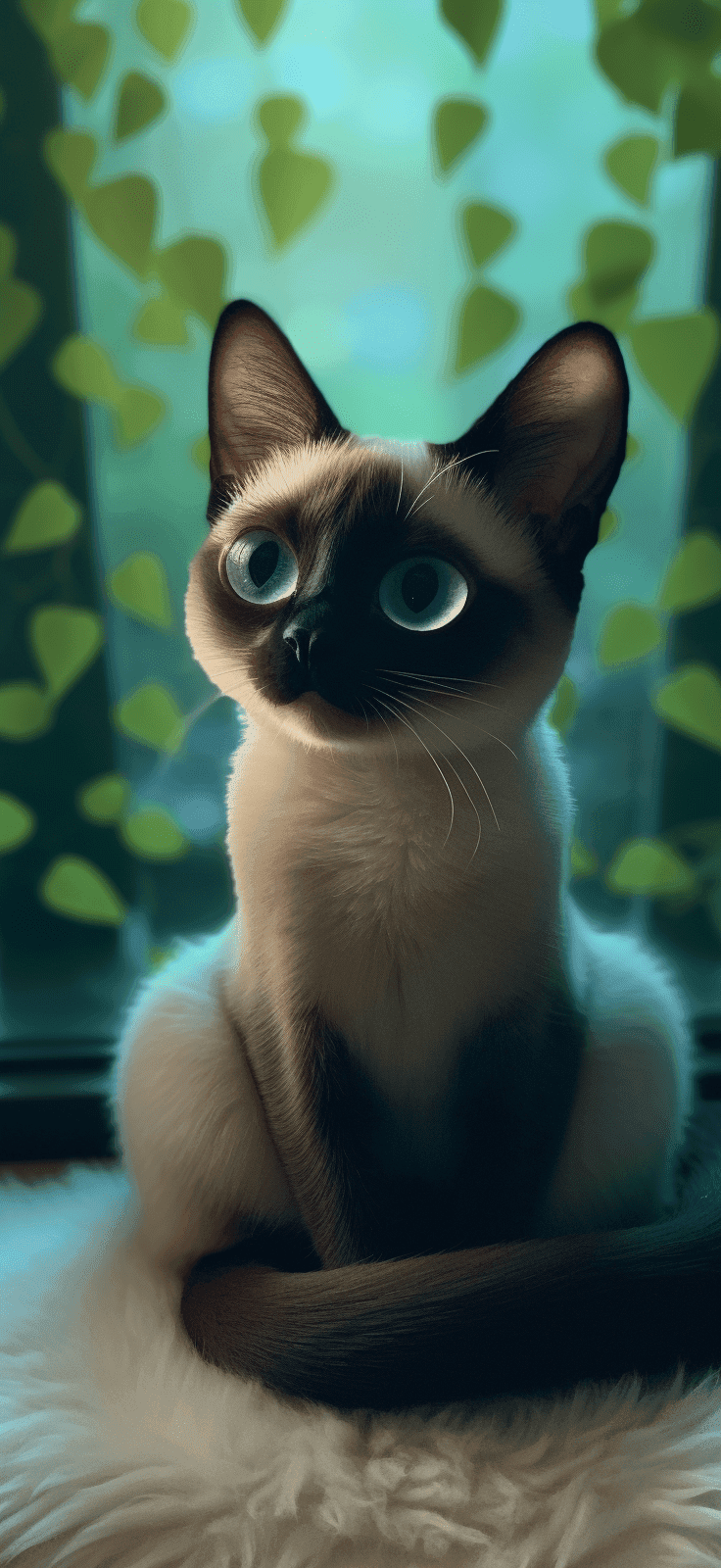
Some lists also include the Bengal, the Siamese, the Oriental Shorthair and the Javanese, usually because of a short or low-shedding coat. We found no measurements for any of them.
And which cats are not hypoallergenic?
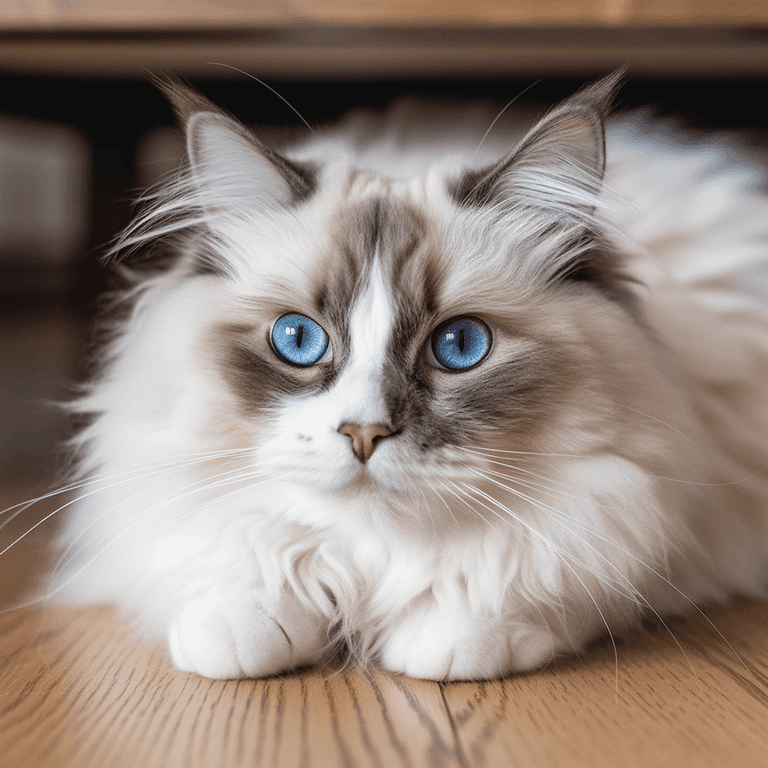
Strictly speaking, none of them are hypoallergenic, so every cat is "non-hypoallergenic". Breeds with long, heavy coats that shed a lot, such as the Maine Coon, the Ragdoll, the Persian and the British Shorthair, have no reputation for being allergy-friendly. There is no evidence that they make more Fel d 1. More loose hair around the house does spread the allergen further.
The difference between cats is bigger than between breeds
Researchers at the University of Adelaide write that Fel d 1 levels can vary up to a hundredfold between individual cats, and that one cat's output can change through the year. A few things are known:
- Unneutered males make the most. Production depends partly on testosterone. Allergy UK notes that neutered males make similar levels to females.
- A female or a neutered male can still make enough to cause symptoms. It lowers the odds, nothing more.
- A kitten tells you little. How much allergen a cat makes can change until it is fully grown. The Siberian testing group reports that its early tests on kittens under nine months were wrong in 40 per cent of cases. Meet the adult parents too, or choose a cat that is already grown up.
How to test whether you react to a cat
A cat can live for 15 years or more. If it has to be rehomed after a few months because you cannot breathe at night, that is hard on both of you. Allergy UK reports that Cats Protection took in 1,320 cats in 2019 because of an owner's allergy. Testing properly first is worth the effort.
1. See your GP if cats have given you symptoms
Tell your GP when and where your symptoms start. They can arrange an allergy test, such as a skin prick test or a blood test, or refer you to an allergy clinic. That tells you whether cats are really the trigger. It may turn out to be house dust mite and you barely react to cats at all.
Two things to know. A positive test does not automatically mean you will have symptoms, so what matters is whether the result fits what you notice. And if you have never had symptoms around cats, a test before getting one is not much use. Allergy UK says so explicitly, because you can still become allergic after living with a cat.
2. Make several long visits
Fifteen minutes stroking a cat at a breeder's tells you very little. A better approach:
- Stay for at least a few hours in the home where the cats live, and go back more than once.
- Make real contact. Let the cat on your lap, stroke it and do not keep your hands carefully away from your face. You want to know how daily life will feel.
- Watch the hours afterwards too. Allergy UK notes that symptoms can start within minutes or come later as a delayed reaction. A blocked nose that evening or a wheezy night counts.
- Meet the adult cat or the parents. With a kitten you do not yet know what the grown cat will be like.
- Ask whether the breeder tests for allergens. Some Siberian breeders do. A low result is a plus. It is never a guarantee that you will be symptom-free.
3. Rescue cats are an option too
You can find a low-allergen cat at a rescue just as easily as at a breeder. Because the difference between individual cats is so large, an ordinary moggy from a rehoming centre could suit you better than an expensive pedigree. Ask whether you can visit the cat you have in mind a few times, and test the same way. An adult female or neutered male is the logical choice.
Why a "trial at home" is a bad idea
Cat allergen stays in a home for at least six months, according to Allergy UK, even after thorough cleaning. If a trial goes wrong, the allergen is already in your sofa and carpets. A cat that has to go back after a few weeks has also been through another move. So do your testing in the cat's own home.
Purina LiveClear: food that lowers the allergen
One cat food is designed to reduce Fel d 1 on a cat's coat: Purina Pro Plan LiveClear. It contains an egg protein that binds to Fel d 1 in the cat's mouth, so less of it is active. In a Purina study of 105 cats, active Fel d 1 on the coat dropped from the third week. After ten weeks it was on average 47 per cent lower, ranging from 33 to 71 per cent. In a small trial with eleven allergic people, blankets from cats on the food caused fewer nasal symptoms.
Two caveats. All of this research was done or funded by Purina, and the Allergy UK factsheet that mentions the food was also produced with Purina's support. And the food lowers the allergen without removing it. The cat must eat it every day for it to keep working, and it only affects that cat. See it as a help for someone who already lives with a cat and reacts mildly, never as a reason to take on a cat you clearly reacted to on a visit. In the UK, LiveClear is sold as dry food for kittens, sterilised adults and cats aged seven and over.
Living with a cat when you are mildly allergic
If your visits only brought mild symptoms, you can bring the allergen level in your home down a long way. This advice follows the NHS and Allergy UK:
- Keep the cat out of the bedroom. The NHS advises against letting pets into bedrooms. Do not bring clothes the cat has slept on into the room either.
- Keep the cat off soft furnishings where you can, and choose hard floors that you can mop. Dander builds up in carpets.
- Let someone else do the grooming, ideally outside. Regular grooming by a non-allergic person may reduce allergen, according to Allergy UK.
- Hand the litter tray to someone else if you can, because urine contains allergen too.
- Wash your hands after stroking the cat or being licked, and wash the cat's bedding regularly on a hot wash.
- Vacuum often with a vacuum cleaner that has a HEPA filter. Our guide to removing cat hair has tips for clothes and furniture.
- Ventilate and consider an air purifier. Allergy UK says good ventilation and an air purifier may help reduce airborne allergen. Do not expect miracles, especially if you skip the other steps.
Medication can help too. Antihistamines and steroid nasal sprays treat milder symptoms, and your pharmacist or GP can advise which suits you. For moderate to severe cat allergy, Allergy UK says immunotherapy (desensitisation) may be an option after a GP assessment and referral to a specialist. It is mainly considered for people who cannot avoid cats, such as vets or carers who visit homes. It reduces symptoms but is not a cure.
With asthma
Cat allergy is a known risk factor for asthma, and Fel d 1 is small enough to reach deep into the lungs. With a cat at home you are exposed all day, and symptoms can creep up slowly. If you have asthma, do not get a cat without talking to your GP or asthma nurse first, even a breed sold as hypoallergenic. If you already have a cat and use inhalers, never cut down or stop them without medical advice.
Call 999 if someone suddenly struggles to breathe, their lips, mouth or throat swell, or they become faint or confused. That can be anaphylaxis, which needs hospital treatment straight away.
Choosing a cat for a family with allergies
If the allergic person is a child, everything above applies, and the GP visit comes first. Once you know an allergy is mild and manageable, temperament matters as much as breed. Our guide to the best cat breed for kids covers which cats tend to cope well with family life.
Frequently asked questions
Which cats are hypoallergenic?
No cat is fully hypoallergenic, because all cats make the allergen Fel d 1. The Siberian, Balinese, Russian Blue, Devon Rex, Cornish Rex and Sphynx are often named, but only the Siberian has any research suggesting it makes less allergen. How much a cat produces varies far more between individual cats than between breeds.
Are there any hypoallergenic cats at all?
No. Allergy UK states that there is no such thing as a truly hypoallergenic or non-allergic cat, even though people have tried to breed one. Some cats make less allergen than others, which can make a difference if your allergy is mild.
Is a Russian Blue hypoallergenic?
Not fully. The Russian Blue is often recommended for people with allergies, but we found no published measurements showing it makes less Fel d 1. Some allergic owners do well with one, which may come down to the individual cat. Test with the specific cat before you commit.
Is a Siberian cat hypoallergenic?
Not fully. Many Siberians seem to make less Fel d 1 and there is a genetic study pointing that way, but not every Siberian is low in allergen. Breeder-linked testing suggests only about 15 per cent suit someone with a severe allergy.
What is the best cat for someone with allergies?
An adult female or neutered male that gave you few or no symptoms over several long visits. A breed with a good reputation, such as the Siberian, may improve your odds. If you have had symptoms around cats, ask your GP to confirm the allergy and how severe it is first.
Is a hairless cat better for allergies?
Not necessarily. A Sphynx makes Fel d 1 in its saliva and skin like any other cat. You get fewer loose hairs around the house, and so less allergen spreading on them. Whether that is enough for you, only testing will tell.
Are female cats better than males for allergies?
Unneutered males make the most Fel d 1. Females and neutered males make less, though it can still be enough to cause symptoms. If you are allergic, a female or neutered male is the safer choice.
Can I adopt a hypoallergenic cat from a rescue?
Yes, in the sense that a rescue cat is just as likely to be low in allergen as a pedigree. The difference between individual cats is large. Ask to visit the cat a few times and watch for symptoms in the hours afterwards.
Can I get a cat if I have asthma?
Talk to your GP or asthma nurse first. A cat sold as hypoallergenic still makes allergen, and with a cat at home you are exposed to it every day.