Why Do Cats Stick Their Tongues Out? The Blep and When to Worry
In this article
- When a cat sticking its tongue out is a reason to see the vet
- The blep: why cats forget their tongue
- Why is my cat sticking its tongue out like a dog?
- Tasting the air: the Flehmen response
- Dental pain and other mouth problems
- Nausea, poisoning and medication
- Why a cat's tongue is so rough
- Frequently asked questions
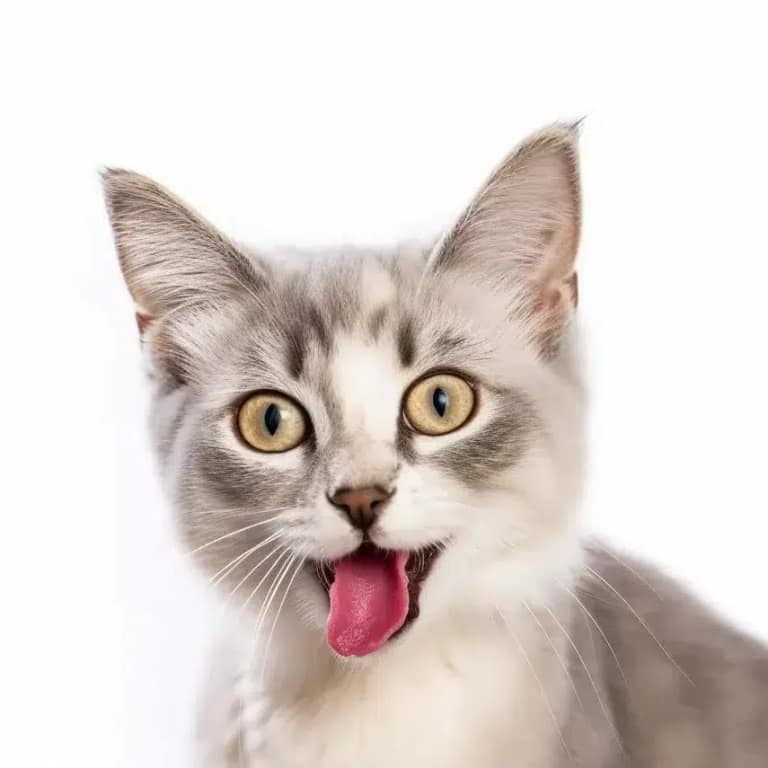
Most of the time a cat sticks its tongue out because it simply forgot to pull it back in. Cat people call this the "blep". It often happens mid-groom, when your cat is relaxed or half asleep, or in older cats that have lost teeth. A cat can also open its mouth for a moment to "taste" a smell (the Flehmen response). A tongue that stays out together with panting, drooling, bad breath or a cat that eats less is a different story, and that is when you call your vet.
In short
- Usually harmless: the blep. Your cat got distracted while grooming, is deeply relaxed or asleep, or is missing teeth that normally keep the tongue in.
- Normal but odd-looking: the Flehmen response, a short open-mouthed "stinky face" while your cat analyses a scent.
- Call your vet straight away: panting or breathing with an open mouth while at rest, pale or blue gums, collapse, or signs of overheating.
- Book a check soon: drooling, pawing at the mouth, bad breath, dropping food, lip licking and swallowing, or a tongue that is suddenly out all the time.
When a cat sticking its tongue out is a reason to see the vet
A quick blep is nothing to worry about. Look at what else your cat is doing. These signs mean you should act.
Call your vet straight away
- Panting or breathing with an open mouth when your cat is not hot and has not just been playing hard. Cats nearly always breathe through their nose, so mouth breathing points to severe stress or a real struggle to breathe. Causes range from asthma and cat flu to heart problems.
- Pale, blue or very dark red gums, weakness, wobbliness or collapse.
- Signs of heatstroke: panting and fast breathing after time in a hot room, conservatory or car, sometimes with vomiting. Move your cat somewhere cool, cool it gradually with tap water (keep it away from the nose and mouth) and phone your vet on the way.
- Sudden drooling or foaming after your cat may have licked or eaten something toxic, such as a cleaning product, a plant or a flea treatment meant for dogs.
Book an appointment soon
- Drooling, bad breath, red or bleeding gums, or pawing at the mouth.
- Eating less, chewing on one side, tilting the head while eating, dropping food or suddenly preferring soft food.
- Licking the lips and swallowing more than usual. That is a classic sign of nausea.
- A tongue that is newly out all the time, especially in a senior cat, or any swelling in the mouth or face.
Cats hide pain well. A cat with a sore mouth often keeps eating, just more slowly or carefully. For a wider overview of symptoms, see our guide to recognising common cat diseases.
The blep: why cats forget their tongue
"Blep" is internet slang for a cat with just the tip of its tongue poking out. It looks deliberate, but in most cases your cat has no idea it is happening.
Interrupted while grooming
If something catches your cat's attention halfway through a lick, the tongue stays where it was for seconds or even minutes. As soon as your cat notices, or you touch its nose, it disappears again.
Relaxed or asleep
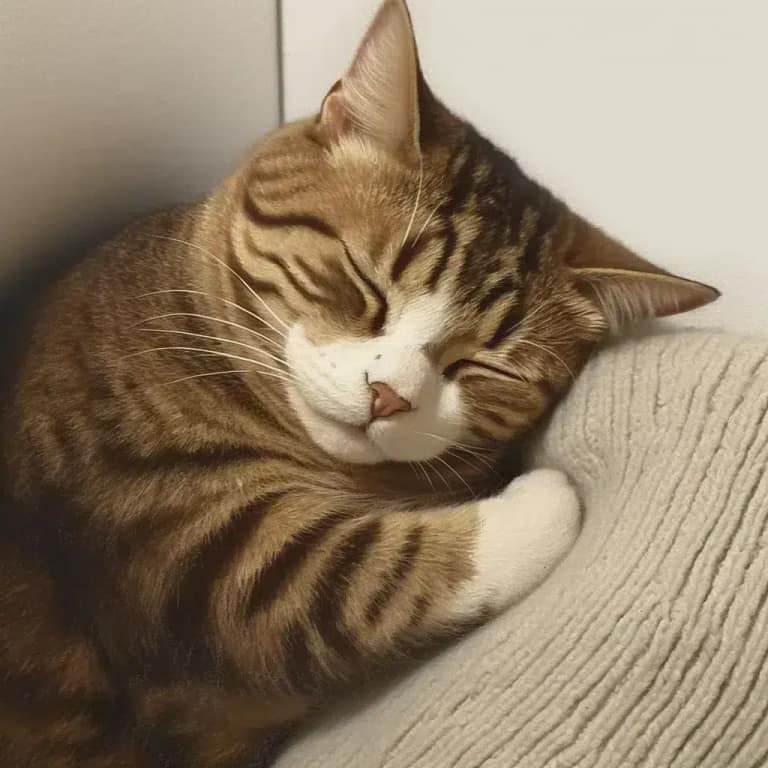
When a cat drops into a deep sleep, the jaw muscles relax and the mouth can open just enough for the tongue to slip out. A cat sticking its tongue out while sleeping, lying on its back in the sun, is about as relaxed as a cat gets.
Missing teeth and flat faces
The teeth, especially the canines, help keep the tongue in place. A cat that has lost teeth, which is common in older cats after dental disease or extractions, often bleps more. Flat-faced breeds such as Persians and Exotic Shorthairs have less room in the mouth, so their tongue peeks out more easily too. If the blep started after dental treatment and your cat eats well, there is usually nothing to fix.
Why is my cat sticking its tongue out like a dog?
Dogs pant to cool down every day. Cats hardly ever do. A cat may pant briefly after a wild play session, on a hot day or when very stressed, for example in the car or at the vet. That kind of panting should settle within a few minutes once your cat is calm and cool. If you travel with your cat, our tips on travelling with a cat by car help keep the stress (and the panting) down.
Panting that keeps going, comes back often or happens while your cat is resting is a reason to call your vet that same day. PDSA lists open-mouth breathing among the signs you should never wait out.
Tasting the air: the Flehmen response
Your cat sniffs your shoes or another cat's spot, then freezes with its mouth half open, lip slightly curled and a glazed look. This is the Flehmen response, nicknamed the "stinky face".
In the roof of a cat's mouth, just behind the upper front teeth, sit the openings of the vomeronasal organ (also called Jacobson's organ). By holding the mouth open and curling or flicking the tongue, the cat pushes scent molecules up into that organ. It processes pheromones from other cats, the chemical messages that cats use to mark territory and signal that they are ready to mate. The result is something between smelling and tasting.
The Flehmen response is short, voluntary and completely normal. Your cat is reading your shoes, and that sneer is part of the process.
Dental pain and other mouth problems
This is the cause most worth knowing about, especially in cats over four or five. According to the Cornell Feline Health Center, 50 to 90 percent of cats older than four have some form of dental disease. The three most common problems are gingivitis (inflamed gums), periodontitis (damage to the tissue that holds the teeth) and tooth resorption, where a tooth slowly breaks down from the inside. Tooth resorption is the most common reason cats lose teeth, and it can be very painful.
A cat with a sore mouth may let its tongue hang out, drool, chew on one side, tilt its head while eating or go off dry food. Less common but more serious are gingivostomatitis, a severe inflammation of the whole mouth lining that makes cats paw at their mouth, and tumours in the mouth, which Cornell describes as the fourth most commonly diagnosed cancer in cats. Both need a vet, and both are easier to treat when caught early.
Your vet checks the teeth at the yearly health check. Brushing with a cat toothpaste (never human toothpaste) helps prevent gingivitis. If the gums are already sore, ask your vet first because brushing will hurt.
Nausea, poisoning and medication
A cat that feels sick often licks its lips, swallows a lot, drools, eats grass or loses interest in food. The tongue may flick in and out or rest on the lips. Common causes are a mild stomach upset, fur balls, worms, travel sickness or eating something unusual. Kidney disease, liver disease, pancreatitis, toxins and side effects of medication can cause it too.
Contact your vet if your cat seems unwell, keeps vomiting or stops eating. If your vet traces the upset stomach back to food, our guide to cat food for sensitive stomachs can help you choose what to feed next.
Why a cat's tongue is so rough
Run a cat's tongue over your hand and it feels like sandpaper. The surface is covered in tiny backward-facing hooks called papillae. They work like a comb when your cat grooms, pulling out loose hair and dirt, and they help scrape meat off bones. That same grooming tongue is behind a lot of affectionate behaviour too. Read more in why does my cat lick me.
Frequently asked questions
Why do cats stick their tongue out?
Usually because they forgot to pull it back in after grooming, or because they are relaxed or asleep and the jaw has dropped slightly. Missing teeth and a flat face make it more likely. Less often it is the Flehmen response, panting, dental pain or nausea.
Why does my cat stick its tongue out while sleeping?
During deep sleep the jaw muscles relax and the tongue can slide out. It is very common in older cats with missing teeth and in flat-faced breeds. If your cat breathes normally through its nose, there is nothing to worry about.
Is it normal for a cat to have its tongue out all the time?
In a cat that has always done it, often because of missing teeth or a flat face, yes. If it is new, or comes with drooling, bad breath, eating less or pawing at the mouth, book a vet appointment to check the teeth and mouth.
Why is my cat sticking his tongue out like a dog?
A cat that pants with its tongue out is overheated, very stressed or struggling to breathe. Brief panting after hard play that stops within a few minutes is usually fine. Panting at rest, panting that keeps coming back or panting with pale or blue gums needs a vet straight away.
Is my cat mocking me when it sticks its tongue out?
No. Cats do not copy human expressions. A blep is an accident of relaxation or grooming, and the Flehmen face is a reaction to a smell.
Does a cat with its tongue out need water?
Not as a rule. Cats do not use their tongue to show thirst. Do make sure fresh water is always available, and see your vet if your cat suddenly drinks much more or less than usual.