Why Do Cats Lick Each Other? Discover the Reasons Why!
In this article
Cats are known for their grooming habits, and one behavior that often puzzles cat owners is when they see their cats licking each other. It may seem strange or even gross to us humans, but there are actually several reasons why cats engage in this behavior. In this article, we will explore the reasons behind cats licking each other and shed some light on their grooming, bonding, and affectionate nature.
Cats are naturally clean animals and spend a significant amount of time grooming themselves. They use their tongues to clean their fur, remove dirt and debris, and distribute natural oils that keep their coat healthy and shiny. However, cats also extend this grooming behavior to other cats in their social group.
Understanding Cat Behavior
Cats are fascinating creatures with unique behaviors that can sometimes be puzzling to us humans. Understanding their behavior is key to building a strong bond with our feline friends. One behavior that often leaves cat owners wondering is why cats lick each other.
Grooming is an essential part of a cat’s daily routine. Cats are known for their cleanliness, and they spend a significant amount of time grooming themselves. However, grooming is not limited to self-care. Cats also groom each other as a way of social bonding.
When cats lick each other, it serves multiple purposes. Firstly, it helps to keep their fur clean and free from dirt and parasites. Cats have rough tongues that act as natural brushes, removing debris and stimulating the production of natural oils that keep their fur healthy.
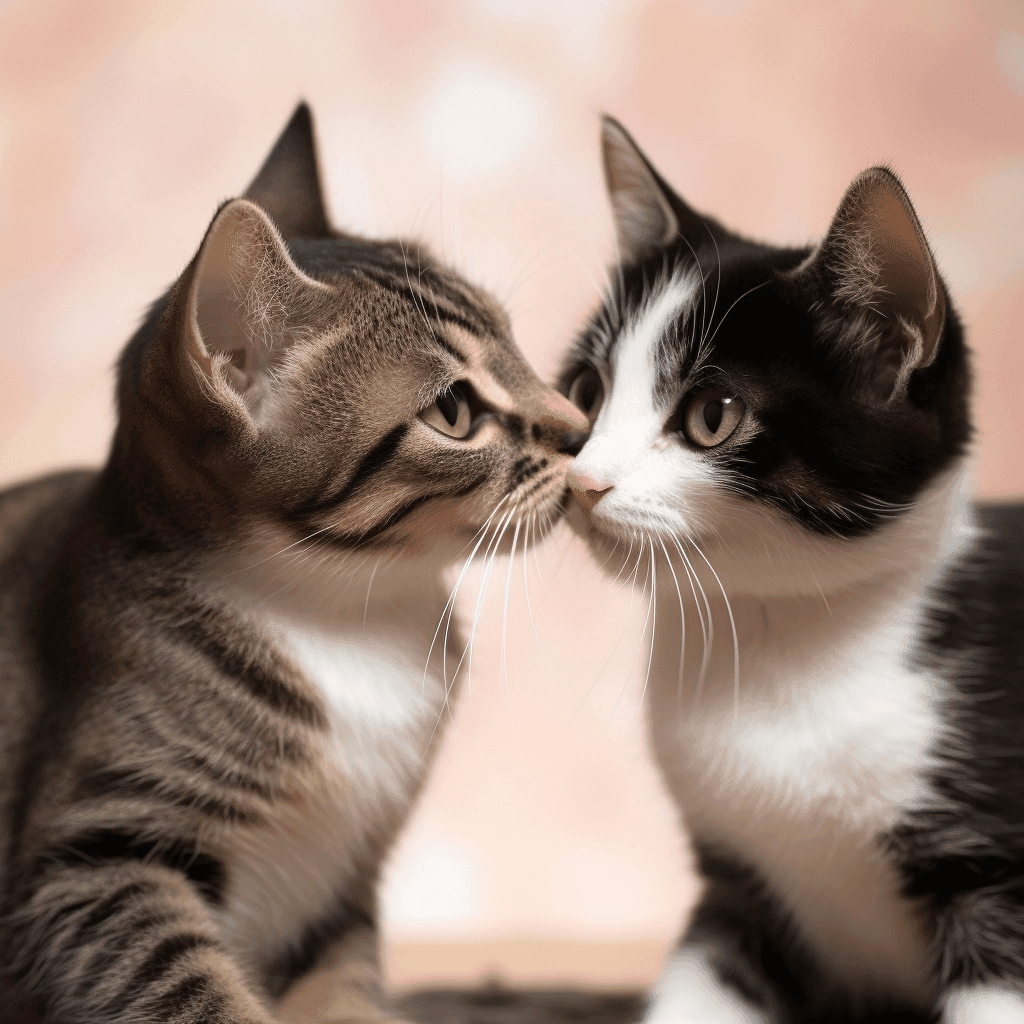
Secondly, grooming is a way for cats to strengthen their social bonds. Licking each other is a form of mutual grooming, which helps to build trust and establish a sense of belonging within a group. It is particularly common among cats that live together in the same household or are part of the same social group.
Additionally, licking can also be a way for cats to establish hierarchy. In multi-cat households, dominant cats may groom subordinate cats as a way of asserting their authority. This behavior helps to maintain order and reduce conflicts within the group.
Lastly, cats lick each other as a way of showing affection. Licking is a gentle and intimate behavior that cats use to express their love and care for each other. It is their way of saying, “I trust you, and you are part of my family.”
Cats lick each other for various reasons, including grooming, social bonding, establishing hierarchy, and showing affection. Understanding these behaviors can help us better understand our feline companions and strengthen our relationship with them. So the next time you see your cats licking each other, know that it is a natural and important part of their social and grooming behavior.
The Importance of Grooming
Grooming is a natural behavior for cats, and it serves several important purposes. When cats lick each other, they are engaging in mutual grooming, which helps to keep their fur clean and free from dirt, debris, and parasites. This is especially important for cats that spend time outdoors or live in multi-cat households where they may come into contact with other animals.
In addition to keeping their fur clean, grooming also helps to distribute natural oils throughout a cat’s coat, which helps to keep it healthy and shiny. Cats have specialized grooming tools in the form of their tongues, which are covered in tiny, hook-like structures called papillae. These papillae help to remove loose fur and stimulate the production of oils from the cat’s skin.
Mutual grooming also plays a role in strengthening social bonds between cats. When cats groom each other, they are engaging in a behavior known as allogrooming, which is a form of social bonding. This behavior helps to establish trust and familiarity between cats, and it is often seen between cats that have a close relationship, such as littermates or cats that have lived together for a long time.
Grooming can also be a way for cats to establish hierarchy within a group. In multi-cat households, dominant cats may groom subordinate cats as a way of asserting their dominance. This behavior helps to maintain social order and reduce conflict within the group.
Cats may also lick each other as a way of showing affection. Licking is a form of tactile communication for cats, and it can be a way for them to express their love and affection for each other. This behavior is often seen between cats that have a strong bond and enjoy each other’s company.
Social Bonding through Licking
Cats are known for their independent nature, but they also have a strong social side. One way they express their social bonds is through grooming and licking each other. This behavior is not only a way to keep their fur clean but also serves as a means of strengthening their relationships with other cats.
When cats lick each other, it is a form of social grooming. It helps to build trust and establish a sense of belonging within a group. This behavior is most commonly seen between cats that live together in the same household or have a close bond.
Social grooming starts from a young age. Mother cats groom their kittens as a way to clean them and stimulate their circulation. This early grooming also helps to create a strong bond between the mother and her offspring. As the kittens grow older, they start to groom each other, reinforcing their social bonds and learning important social skills.
Licking also has a calming effect on cats. It releases endorphins, which are natural feel-good hormones, and helps to reduce stress and anxiety. By licking each other, cats can provide comfort and reassurance to their companions.
In addition to social bonding, licking can also serve as a way for cats to establish hierarchy within a group. Dominant cats may groom subordinate cats as a way to assert their authority. This behavior helps to maintain order and prevent conflicts within the group.
It’s important to note that not all cats will engage in social grooming. Some cats may not enjoy being licked by others and may even become aggressive or defensive. It’s essential to respect each cat’s boundaries and not force them to engage in grooming if they are not comfortable with it.
Establishing Hierarchy
One of the reasons why cats lick each other is to establish hierarchy within their social group. Cats are known to be territorial animals, and within a group of cats, there is often a dominant cat that holds a higher position in the hierarchy. Licking is a way for cats to assert their dominance and establish their rank within the group.
When a dominant cat licks a subordinate cat, it is a display of power and control. The dominant cat is essentially asserting its authority over the other cat and reminding them of their lower position in the hierarchy. This behavior is often seen in multi-cat households or in feral cat colonies where cats live in close proximity to each other.
In addition to establishing hierarchy, licking can also be a way for cats to maintain social order within their group. Cats have scent glands in their tongues, and when they lick each other, they are transferring their scent onto the other cat. This scent marking helps to create a familiar scent profile within the group, which can help to reduce tension and conflicts between cats.
It is important to note that not all cats engage in licking for hierarchy purposes. Some cats may simply enjoy grooming each other as a form of social interaction and bonding. However, in cases where there is a clear dominance hierarchy, licking can be a way for cats to reinforce their positions within the group.
Showing Affection
Cats are known for their independent nature, but they also have a strong need for social interaction. One way they show affection towards each other is through licking. When cats lick each other, it is a sign of trust and love.
Licking is a behavior that cats learn from a young age. Mother cats groom their kittens as a way to clean them and bond with them. Kittens also learn to groom themselves and their littermates as they grow older. This grooming behavior continues into adulthood, and cats often extend this behavior to other cats in their social group.
When cats lick each other, it is not just about cleaning. It is a way for them to strengthen their social bonds and establish a sense of belonging within their group. By grooming each other, cats are reinforcing their relationships and showing that they trust and care for one another.
In addition to social bonding, licking also has a calming effect on cats. The act of grooming releases endorphins, which are natural feel-good chemicals in the brain. This can help reduce stress and anxiety in cats, making them feel more relaxed and content.
Cats may also lick each other as a way to mark their territory. Cats have scent glands in their mouths, and when they lick another cat, they are leaving their scent behind. This scent marking helps to establish a sense of ownership and hierarchy within the group.
It is important to note that not all cats will engage in licking behavior towards each other. Some cats may not be as social or affectionate, and may prefer to keep to themselves. However, for cats that do engage in licking, it is a powerful display of trust, love, and social bonding.
Reasons for Cats Licking Each Other
Cats engage in licking behavior for various reasons, and understanding these reasons can provide insight into their social dynamics and relationships. Here are some common reasons why cats lick each other:
1. Grooming: One of the primary reasons cats lick each other is for grooming purposes. Cats are known for their cleanliness, and they spend a significant amount of time grooming themselves. When cats lick each other, they are extending this grooming behavior to their feline companions. Licking helps to remove dirt, debris, and loose fur from their fur coats, keeping them clean and well-groomed.
2. Social Bonding: Licking is also a way for cats to strengthen their social bonds with each other. When cats lick each other, it can be seen as a form of social grooming. This behavior helps to build trust and establish a sense of belonging within the group. It is particularly common among cats that live together in the same household or are part of the same social group.
3. Establishing Hierarchy: Licking can also be a way for cats to establish their social hierarchy. In multi-cat households, dominant cats may lick subordinate cats as a way of asserting their dominance. This behavior helps to maintain order and establish boundaries within the group.
4. Showing Affection: Licking can also be a display of affection between cats. Cats that are close and have a strong bond may engage in mutual grooming as a way of showing their love and affection for each other. It is a way for them to express their care and strengthen their emotional connection.
Overall, cats licking each other is a natural and instinctive behavior that serves multiple purposes. It helps to maintain cleanliness, strengthen social bonds, establish hierarchy, and show affection. If you observe your cats engaging in this behavior, it is a positive sign that they have a strong bond and are comfortable in each other’s presence.
Understanding the reasons behind cats licking each other can help cat owners better understand their pets’ behavior and strengthen their bond with them. It is important to provide a conducive environment for cats to engage in grooming and social bonding activities, such as providing scratching posts, interactive toys, and comfortable resting areas.
The Role of Pheromones
One of the reasons why cats lick each other is to spread their scent through pheromones. Pheromones are chemical substances that animals release to communicate with each other. Cats have scent glands located on various parts of their bodies, including their faces, paws, and tails. When cats lick each other, they are transferring their unique scent onto their companion.
By spreading their scent through licking, cats are marking their territory and establishing a sense of familiarity and belonging. This behavior is particularly important in multi-cat households where cats need to coexist and establish a hierarchy. The dominant cat may lick the other cats to assert its dominance and mark them as part of its territory.
Pheromones also play a role in social bonding among cats. When cats lick each other, they are not only spreading their scent but also picking up the scent of their companion. This helps them recognize each other and strengthen their bond. It is a way for cats to communicate and show that they trust and accept each other.
Furthermore, licking can also have a calming effect on cats. The act of grooming releases endorphins, which are natural feel-good chemicals in the brain. When cats lick each other, they may experience a sense of relaxation and comfort. This can be particularly beneficial in stressful situations or when cats are feeling anxious.
Conclusion
Cats lick each other for various reasons, including grooming, social bonding, establishing hierarchy, and showing affection. Grooming plays a crucial role in maintaining their hygiene and health, as well as strengthening their social bonds. Through grooming, cats not only remove dirt and parasites from each other’s fur but also distribute natural oils that keep their coats healthy and shiny.
Furthermore, licking is a way for cats to establish hierarchy within their social groups. The dominant cat may initiate grooming sessions with subordinate cats as a way to assert their authority. This behavior helps maintain order and balance within the group.
Additionally, licking is a form of affection and a way for cats to show their love and care for each other. It is a soothing and comforting behavior that helps strengthen their emotional bond. Cats may also lick each other as a way to communicate and express trust. By grooming each other, they are essentially saying, “I trust you and consider you part of my family.”
Moreover, licking also plays a role in the communication of pheromones. Cats have scent glands on their tongues, and when they lick each other, they transfer their unique scent onto the other cat. This helps create a familiar scent profile within the group and promotes a sense of belonging and security.