Best Cat Litter UK (2026): Clumping, Wood, Silica or Tofu?
In this article
- Which cat litter is best?
- Our picks
- Cat litter types compared
- Clumping or non-clumping?
- Best cat litter for odour control
- Dust and tracking
- Cheap cat litter: work out the cost per month
- Litter for automatic litter boxes
- How to choose the right litter
- How to switch to a new litter
- How to get rid of used cat litter
- Frequently asked questions
For most cats the best cat litter is a fine, unscented clumping litter. Cats like to dig in something soft and sandy, and clumps let you lift out only the used part, so the tray stays fresh for longer. If you want a lighter bag, less waste in the bin or the lowest cost per month, wood pellets, silica or a plant-based "tofu" litter can suit you better. Below you can see which type fits which home, and five litters you can buy in the UK.
This article contains affiliate links How it works
Katdootje earns a small commission if you buy through a link in this article. It costs you nothing extra and does not influence what we recommend. As an Amazon Associate, Katdootje earns from qualifying purchases.
In short
- Best for most cats: Ever Clean Extra Strong Clumping, Unscented. Fine clay that clumps hard, with no added fragrance. Why we chose it
- Best non-clumping litter for odour: Catsan Hygiene Plus. White granules that soak up urine, for owners who prefer a full change on a fixed day. Why we chose it
- Best value per month: Fresh Paws Premium Wood Pellets. A big 30 litre bag of British softwood pellets, and wood pellets came out best in RSPCA trials. Why we chose it
- Best lightweight clumping litter: Catit pea-husk tofu litter. Plant-based pellets that clump, weigh far less than clay and leave little dust. Why we chose it
- Best silica litter: Pettex Silica Cat Litter Granules. Crystals that hold a lot of moisture, for owners who want to scoop less often. Why we chose it
Which cat litter is best?
The honest answer is the one your cat is happy to use. A litter can score well on odour or price, but if your cat dislikes it, you will soon find puddles next to the tray. UK welfare charities agree on a few basics:
- Soft and fine. Battersea recommends a fine, sand-like litter, because that is what most cats choose when they get the option.
- No perfume. Both Battersea and the RSPCA warn that scented litter can put a cat off its tray. A cat's nose is far more sensitive than ours.
- Deep enough to dig. Battersea advises at least 3 to 4 cm of litter so your cat can dig and cover.
- Enough trays. One tray per cat, plus one spare.
- Do not change what works. If your cat uses the tray happily, there is no reason to switch.
One finding surprises many owners. The RSPCA writes that wood pellets performed best in its own trials, while adding that some cats prefer a fine sandy litter. So if you are unsure, a fine unscented clumping litter is the safest starting point, and wood pellets are well worth a try. If your cat is already going outside the tray, read why is my cat pooping outside the litter box first.
Our picks
| Product | Material | Clumping | Scent | Best for |
|---|---|---|---|---|
| Ever Clean Unscented | Clay with activated carbon | Yes | None | Most cats, sensitive noses, automatic boxes |
| Catsan Hygiene Plus | Quartz sand and limestone | No | None | A full change on a fixed day |
| Fresh Paws Wood Pellets | British softwood | No | Natural pine | Low cost per month, lighter bags |
| Catit Pea-Husk Tofu | Pea husk and plant starch | Yes | None | Clumping without the weight of clay |
| Pettex Silica | Silica gel | No | None | Scooping less often |
Cat litter types compared
UK shops sell six main types. Here is how they differ in practice.
| Type | How it works | Good at | Watch out for |
|---|---|---|---|
| Clumping clay | Urine forms a firm clump | Fine texture cats like, you remove only the used part | Heavy, goes in the general waste, not for kittens that eat litter |
| Non-clumping clay or mineral | Granules soak up urine | Often cheap per bag | You change the whole tray more often |
| Silica crystals | Crystals hold moisture inside | Very absorbent, light, lasts a long time | Hard texture, urine stays in the tray |
| Wood pellets | Pellets absorb and fall apart into sawdust | Cheap per month, light, biodegradable | Coarse feel, sawdust tracking |
| Paper pellets | Recycled paper soaks up urine | Soft, very low dust, often advised for kittens | Gets soggy, odour control is weaker |
| Tofu and other plant-based | Plant fibre or starch forms clumps | Clumps but much lighter than clay, low dust | Pricier, quality varies by brand |
Clumping clay
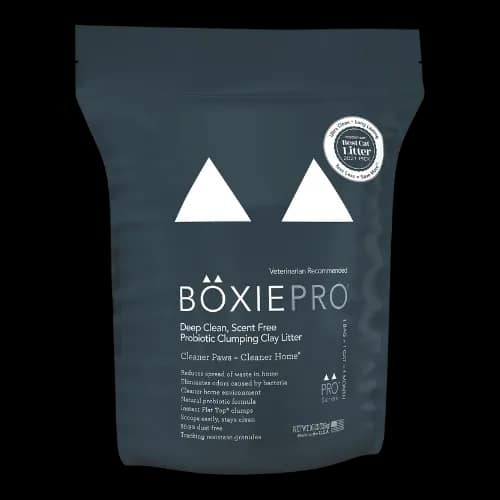
Most clumping litters are made from bentonite clay. It feels close to sand, which is why so many cats accept it straight away. The downside is weight: a 10 litre box of Ever Clean weighs around 9 kg. Used clay goes in your general waste bin.
Silica
Silica litter is made from silica gel, the same material as the little sachets in shoe boxes. It absorbs a lot, so you top up less often. Some cats find the hard crystals uncomfortable, so switch slowly. Colour-changing crystals that react to urine pH are a separate product group, covered in our guide to health monitoring cat litter.
Wood pellets
Wood pellets are the budget favourite in the UK, and the RSPCA saw them perform best in its trials. They feel coarse at first, and some cats need a gradual switch. Cat's Best Original is a clumping alternative made from plant fibre, if you like the idea of wood but want clumps.
Paper
Recycled paper pellets are soft and almost dust-free, which is why they are often advised for kittens. They hold odour less well than clay or silica. You will find a paper pick in our guide to the best cat litter for kittens.
Tofu and other plant-based litter
"Tofu litter" traditionally means pellets made from soya pulp left over from tofu making. In UK shops the name now covers a wider group of plant-based clumping pellets, including pea fibre and corn. They clump like clay at a fraction of the weight. Check the label to see what a brand actually uses.
Clumping or non-clumping?
Clumping litter turns urine into a solid lump you lift out with a scoop. The rest of the tray stays clean, so you need fewer full changes and usually use less litter. For most adult cats this is the best choice.
Non-clumping litter absorbs urine into the granule itself. That works well, but at some point the granules are full and the whole tray needs replacing. The RSPCA advises spot-cleaning every day and replacing the litter at least once a week.
A note on kittens
Young kittens sometimes taste or eat their litter, and clumping clay can swell once swallowed. That is why many vets suggest a non-clumping litter, such as paper or wood, for young kittens. Sources disagree on the age at which you can safely switch, so ask your vet, and call them straight away if you see your kitten eating litter. Our kitten litter guide goes through this by age.
Best cat litter for odour control
The litter that controls odour best is the one that locks moisture away fastest. Clumping clay does this in the clump, silica and mineral litters in the granule. Some brands add activated carbon, as Ever Clean does. A strong perfume mainly masks the smell for you and can put your cat off the tray.
How you look after the tray matters at least as much as the brand:
- Scoop every day. Clumps and poo left in the tray are the main source of smell.
- Keep the litter deep enough. On a thin layer, urine reaches the bottom of the tray and the smell builds up faster.
- Wash the tray regularly. Use hot water and washing-up liquid. Battersea advises against bleach and strong cleaners, because the smell deters cats.
- Have enough trays. One per cat, plus one spare.
Still smelling it? Our litter box cleaning guide covers the routine step by step. If the smell comes from the floor or furniture, read how to get rid of cat pee smell and our pick of the best enzyme cleaner for cat urine.
Dust and tracking
Dust and litter carried through the house are the two most common complaints in UK reviews, whatever the brand. A few things help:
- Pour low and slowly. Hold the bag just above the tray. Most dust escapes when litter falls from a height.
- Choose by material. Paper, tofu and other plant-based litters tend to be the least dusty. Fine clay and some silica can be dusty when poured.
- Use a litter mat. A mat in front of the tray catches granules from paws. A tray with high sides stops your cat from digging litter over the edge.
- Watch your cat. If your cat sneezes or coughs a lot after using the tray, try a low-dust litter and ask your vet.
Cheap cat litter: work out the cost per month
The cheapest bag is not always the cheapest litter. What you really pay depends on how long a bag lasts. So compare cost per month:
- Write the date on the bag when you open it.
- Note how many weeks it lasts.
- Divide the price by that number of weeks and multiply by four.
Now you can put two litters side by side fairly. A few things to keep in mind:
- Clumping often lasts longer. You remove only the clumps. With non-clumping litter you change the whole tray, so a bag that is cheap per litre can still run out sooner.
- Litres and kilos are not the same. Wood, paper and plant-based litters are much lighter than clay. A 30 litre bag of Fresh Paws weighs about 14.5 kg, while a 10 litre box of Ever Clean weighs about 9 kg. Compare litres with litres.
- Big bags are usually cheaper per litre. With several cats, buying large pays off. Store bags somewhere dry.
- Cheap gets expensive if your cat refuses it. A cat that wees next to the tray costs you more than the price difference. Switch gradually.
Make your litter go further
- Scoop daily. Fresh clumps come out whole. Old clumps break when your cat digs, and you throw away more clean litter with them.
- Top up instead of tipping it all out. With clumping litter, replace what you scoop out to keep the depth right. Never save money on depth. A thin layer smells sooner.
- Shake the scoop. A scoop with the right slots lets clean litter fall back through.
Litter for automatic litter boxes
Not every litter works in every self-cleaning box. Most rotating models are built for clumping clay, and a coarse or very light litter can jam the sifting screen or leave waste behind. Several reviewers say Ever Clean works well in a Litter-Robot 4. Always check the manufacturer's advice for your model. You can read more in our guide to the best automatic cat litter boxes and in how to train your cat to use an automatic litter box.
How to choose the right litter
- Adult cat, no special needs: fine, unscented clumping clay.
- Kitten: paper or wood until your vet says you can switch to clumping.
- Several cats: clumping, so you only remove the used litter each day.
- You want lighter bags: wood pellets, tofu or silica.
- Lowest cost per month: wood pellets, or work it out with the steps above.
- You or your cat react to dust: paper or a plant-based litter that is labelled low-dust. Ask your vet if your cat sneezes or coughs often.
- You want to keep an eye on your cat's health: see health monitoring cat litter.
How to switch to a new litter
The RSPCA advises mixing the new litter in gradually over a week, or putting it in a separate tray so your cat can choose. Start with a small amount of the new litter mixed into the old and increase it every day or two. If your cat keeps using the tray, carry on. If it starts to avoid the tray, go back a step.
How to get rid of used cat litter
Do not flush cat litter or cat poo down the toilet, even if the bag says flushable. UK water companies, including Anglian Water and Southern Water, ask people not to flush it. Clay can block pipes, and parasites in cat faeces are not reliably removed by sewage treatment. Bag used litter and put it in your general waste bin. Whether plant-based litter can go in a garden or food waste bin depends on your council, so check its website.
Frequently asked questions
What is the best cat litter in the UK?
For most cats it is a fine, unscented clumping litter, such as Ever Clean Extra Strong Clumping Unscented. If you want lower running costs, wood pellets are a strong alternative, and they performed best in RSPCA trials. In the end, the best litter is the one your cat uses without fuss.
Which cat litter is best for odour control?
A litter that locks moisture away quickly, such as clumping clay, silica or Catsan Hygiene Plus. Added perfume helps less than you might think and can put your cat off. Daily scooping and enough litter in the tray do more against smell than any brand.
Is clumping or non-clumping cat litter better?
For most adult cats clumping litter is easier, because you remove only the used part and the rest stays clean. Non-clumping litter is often advised for young kittens, because clumping clay can swell if swallowed. Ask your vet when your kitten can switch.
Are wood pellets better than clay litter?
Wood pellets are lighter, biodegradable and usually cheaper per month, and the RSPCA saw them perform best in its trials. Clay feels closer to sand, which many cats prefer. If your cat accepts pellets, they are a very good choice.
Is silica cat litter good?
Silica absorbs a lot of liquid and lasts a long time, which suits owners who want to scoop less. Some cats dislike the hard crystals, so introduce it gradually. It does not clump, so urine stays in the tray until you change it.
Is tofu cat litter any good?
Tofu and other plant-based litters clump like clay but weigh much less, and they tend to be low in dust. They cost more per litre, and quality varies by brand. Some owners find they stick to the bottom of the tray.
How much cat litter should I put in the tray?
Battersea advises at least 3 to 4 cm, so your cat can dig and cover. Top up after scooping so the layer stays at that depth.
How often should I change cat litter?
The RSPCA advises spot-cleaning every day and replacing the litter at least once a week. Wash the tray with hot water and washing-up liquid when you do a full change.
Can you flush cat litter down the toilet?
No. UK water companies ask people not to flush cat litter, even brands sold as flushable. Clay can block pipes, and parasites in cat poo are not reliably removed by sewage treatment. Bag it and put it in your general waste.
What is the cheapest cat litter per month?
Work it out per month, not per bag: divide the price by the number of weeks a bag lasts and multiply by four. Wood pellets usually come out cheapest. Clumping litter often lasts longer than non-clumping because you only throw away the clumps.