Best Cat Carrier UK (2026): Top-Opening Picks for the Vet, the Car and Big Cats
In this article
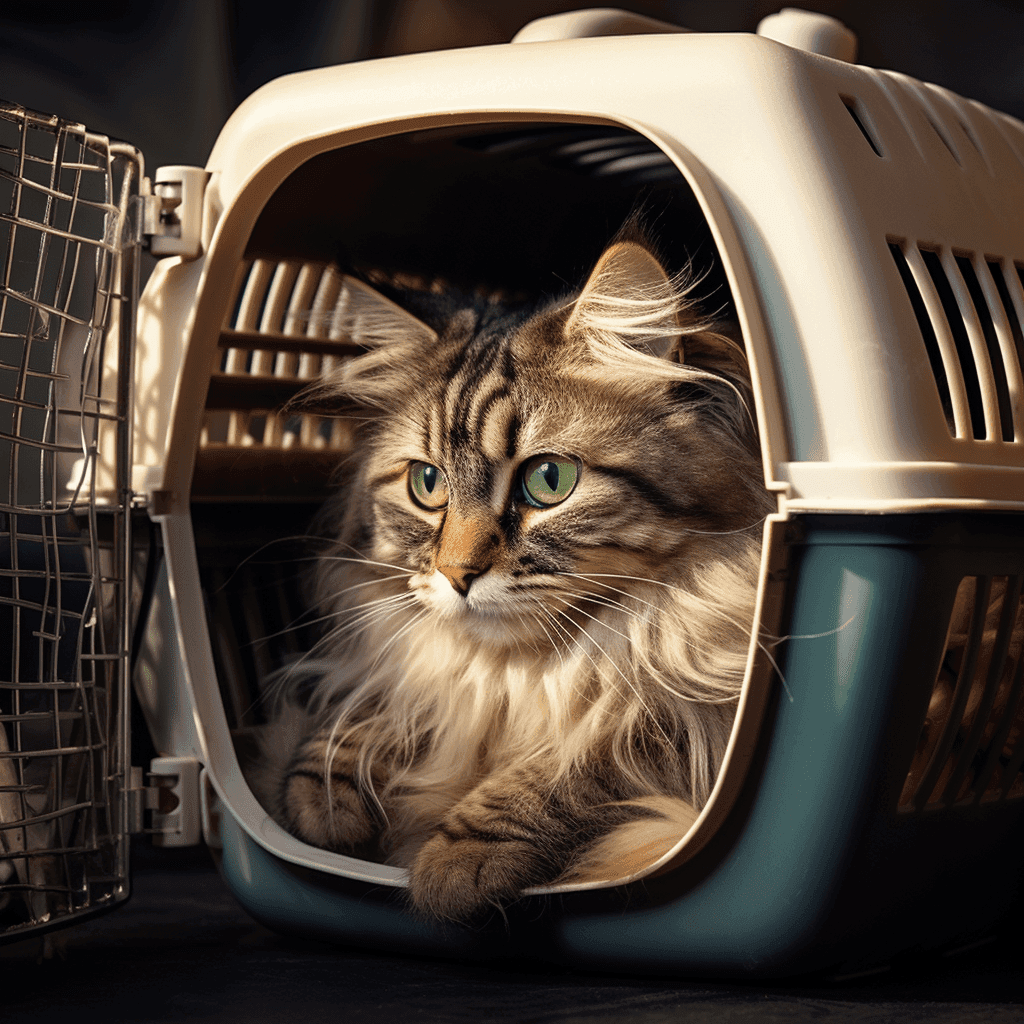
For most cats the best carrier is a hard plastic one that opens at the top, or whose whole top half lifts off. You can lower your cat in without a wrestling match, your vet can examine it in the bottom half, and you can wipe it clean after an accident. International Cat Care and Cats Protection both recommend this type. A soft bag is lighter and folds away, but it is a poor choice for a strong or nervous cat, and National Rail asks for a rigid carrier on trains.
This article contains affiliate links How it works
Katdootje earns a small commission if you buy through a link in this article. It costs you nothing extra and does not influence what we recommend. As an Amazon Associate, Katdootje earns from qualifying purchases.
In short
- Best cat carrier for most cats: Amazon Basics Two-Door Top-Load (58 cm). Front door plus a door in the roof, room for an adult cat up to about 9 kg. Why we chose it
- Best for vet visits with a nervous cat: MDC wire cat carrier. The classic vet-practice basket, with a top panel that opens fully. Add a cover. Why we chose it
- Best budget top-opening carrier: Cat Centre Top Entry. The whole lid swings open, so you lift your cat straight in. Why we chose it
- Best for large cats and Maine Coons: Ferplast Atlas, 60 x 40 x 38 cm. Rated to 12 kg, and the top half unclips for cleaning and vet checks. Why we chose it
- Best soft carrier: Morpilot soft carrier. Opens at the top and both ends, folds flat, for calm cats up to about 7 kg. Why we chose it
Hard carrier, wire basket, soft bag or backpack?
Hard plastic carrier
A hard plastic carrier is the safe default. It keeps its shape when your cat pushes against it, stays level on a car seat and can be hosed down after a wee or a bout of travel sickness. International Cat Care advises against cardboard and cheap, flimsy plastic and recommends solid plastic because it is easy to clean. The downside is bulk. It does not fold, so it needs a place to live.
Wire cat basket
The plastic-coated wire basket is a familiar sight in UK vet practices and catteries. Cats Protection lists a sturdy plastic or metal wire carrier as a good choice. A wire basket is light, airy and usually opens at the top. Some cats settle better because they can see out. Others feel exposed, so plan to cover it with a towel or a fitted cover. International Cat Care advises covering the carrier on the journey and in the waiting room to keep your cat calmer.
Soft carrier bag
A soft carrier is light, comfortable on your shoulder and folds flat for storage. It suits a calm cat on a short trip. A soft bag can sag, is harder to clean and gives a determined cat zips to push against. One buyer of the MDC basket below switched after their cat nosed the zips of a fabric carrier open on the way to the vet. If you travel by train, note that National Rail asks for pet carriers to be rigid and closed.
Cat backpack
Backpacks with a bubble window look fun, but neither Cats Protection nor International Cat Care recommends them. Most are too small for a cat to stand up or turn round in, there is nowhere to hide, ventilation is often poor and your cat sways with every step you take. For the vet and for travel, choose a handheld carrier.
Why a top-opening cat carrier makes vet visits easier
Anyone who has tried to post a cat backwards through a small front door knows how it goes. Four legs brace against the frame and the cat wins. With a top-loading carrier you lower your cat in from above instead. International Cat Care puts it plainly: a carrier that opens at the top is much easier to use, because you can lift your cat in and out gently.
At the vet it helps even more. If the whole top half comes off, your cat can stay in the bottom half, on its own blanket, while the vet examines it. International Cat Care mentions this removable top as a reason to choose a carrier, and Cats Protection says a front-loading carrier with a removable top section is generally better for getting a cat used to it.
When you shop, you will see three designs:
- Front door only: the cheapest carriers. Fine for a cat that walks in by itself.
- Door or lid in the top: a hatch in the roof, or a lid that swings open completely, so you can lower your cat in. The Amazon Basics, MDC and Cat Centre carriers below work this way.
- Top half unclips: clips along the sides hold the top to the base. Undo them and lift the top away. The Ferplast Atlas works like this.
What size cat carrier do you need?
Your cat should be able to stand up, turn round and lie down comfortably. Bigger is not automatically better. International Cat Care points out that a carrier so large that your cat slides about in it makes it feel less secure. Measure your cat from nose to the base of the tail and from the floor to the shoulder, then compare that with the inside of the carrier, which is a few centimetres smaller than the outside.
Most standard carriers are 46 to 50 cm long, which is enough for an average adult cat. For a kitten, buy the adult size straight away and pad it out with a blanket. It will grow faster than you expect.
Cat carrier for a large cat or Maine Coon
An adult male Maine Coon often weighs 6 to 10 kg and is long as well as heavy. Look for a carrier of 58 cm or more, with a weight rating comfortably above your cat's weight. Two options in this guide:
- Ferplast Atlas 60 x 40 x 38 cm: rated to 12 kg and tall enough for a big cat to sit up.
- Amazon Basics Two-Door Top-Load 58 cm: rated to about 9 kg. Owners with 7 kg cats say it fits them well.
With a cat that size you are carrying 10 kg or more. Hold the carrier with one hand under the base and the other on the handle. International Cat Care recommends carrying any carrier from underneath, so it stays level and does not swing. Read more about the breed in our Maine Coon guide.
Do two cats need two carriers?
Yes. Give each cat its own carrier, even if they sleep curled up together at home. A small space and a stressful trip can turn friends into opponents. It also stops one cat escaping while you lift the other one out at the vet, as one owner of two Ragdoll kittens found when she bought a second MDC basket.
The best cat carriers in the UK
The cat carriers side by side
| Carrier | Type | Size (outside) | Top opening | Best for |
|---|---|---|---|---|
| Amazon Basics Two-Door Top-Load | Hard plastic | 58 x 38 x 33 cm | Door in the roof | Most adult cats, up to about 9 kg |
| MDC Wire Cat Carrier | Wire basket | 46 x 29 x 29 cm (standard) | Top panel opens fully | Vet visits, small to average cats |
| Cat Centre Top Entry | Hard plastic | 49 x 34 x 32 cm | Whole lid opens | Average cats, tight budget |
| Ferplast Atlas, two doors | Hard plastic | 60 x 40 x 38 cm | Roof panel, top half unclips | Large cats, up to 12 kg |
| Morpilot Soft Carrier | Soft, folding | 44 x 31 x 34 cm | Yes, zipped | Calm cats up to 7 kg, short trips |
Sizes and weight limits as given by the makers and sellers on Amazon UK and the PDSA Pet Store, checked in October 2026.
Travelling with your cat in the UK
By car
The Highway Code (rule 57) says animals in a vehicle must be suitably restrained so they cannot distract you or injure you or themselves if you stop quickly. A pet carrier is one of the ways it names. Put the carrier in the footwell behind a front seat, or on the back seat held in place with the seat belt. Never put it in the boot, where there is too little air. Keep your cat in the carrier for the whole drive, and never leave it alone in a parked car, which heats up quickly even with a window open. Our guide on how to travel with a cat by car covers long journeys, breaks and travel sickness.
By train
On National Rail services you can bring up to two animals free of charge. Cats must travel in a pet carrier, and National Rail asks for carriers that are rigid and closed, so your cat cannot escape, and big enough for it to stand and lie down comfortably. Animals are not allowed on seats, so plan to keep the carrier on your lap or at your feet. Animals are also kept out of restaurant cars, except assistance dogs. Train companies can set their own extra rules, so check with yours if you are taking more than two animals or a sleeper train.
Eurostar and getting to the continent
Eurostar does not take pets on trains to and from London, only guide and assistance animals. For a trip abroad with your cat, the usual options are LeShuttle, where you stay in your car for the crossing, or a ferry. Check the pet rules of the ferry company when you book.
A cat travelling from Great Britain to the EU needs a microchip, a rabies vaccination given after the chip, and an animal health certificate from your vet. You wait at least 21 days after the first rabies vaccination before you travel. The certificate is valid for 10 days to enter the EU and you need a new one for every trip. A pet passport issued in Great Britain can no longer be used to enter the EU.
By plane
Cats cannot fly into Great Britain in the aircraft cabin. Only assistance dogs are allowed there. Pet cats arriving by air travel as manifest cargo in the hold, on an approved route. The airline will ask for a rigid travel crate that meets the IATA live animal rules, and a soft bag is not accepted for that. Rules for flights out of the UK vary per airline, so check with them before you buy a carrier. The "airline approved" label on soft carriers refers to cabin size limits of airlines that allow pets in the cabin, and says nothing about UK entry rules.
Getting your cat used to the carrier
Most cats only ever see the carrier on the way to the vet, so they vanish the moment it comes out. International Cat Care suggests making the carrier part of the furniture: leave it out with the door open and a blanket inside, somewhere your cat likes to sleep.
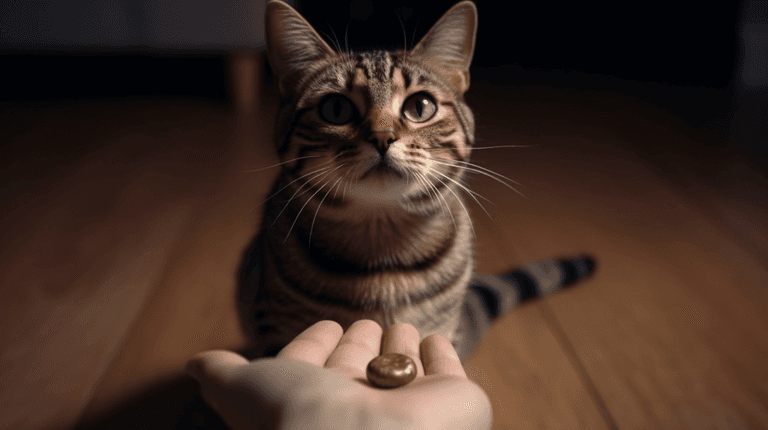
- Put treats inside now and then. Close the door for a few seconds only once your cat is relaxed in there, and build up slowly.
- Wipe a soft cloth around your cat's cheeks and then around the inside of the carrier, so it smells familiar.
- A pheromone spray such as Feliway can help. Spray it at least 15 minutes before your cat goes in, so the alcohol smell has gone.
- Cover the carrier with a towel on the journey and in the waiting room, so your cat cannot see other animals.
- For a long journey, give no food for a few hours before you leave, but keep water available. Ask your vet if you are unsure.
If your cat panics no matter what you try, talk to your vet. There are calming options your vet can prescribe for the journey.
Frequently asked questions
What is the best cat carrier in the UK?
For most cats, a hard plastic carrier that opens at the top, such as the Amazon Basics Two-Door Top-Load in the 58 cm size. International Cat Care and Cats Protection both recommend a sturdy carrier with a top opening, because your cat goes in more easily and the vet can examine it in the carrier.
Is a hard or soft cat carrier better?
A hard carrier is sturdier, stays level in the car and is easier to clean, which is why UK cat charities recommend it for vet visits and car journeys. A soft carrier is lighter and folds away, so it can suit a calm cat on short trips. National Rail asks for rigid carriers on trains.
What size carrier does my cat need?
Your cat should be able to stand up, turn round and lie down comfortably, without sliding around. Most standard carriers of 46 to 50 cm long suit an average adult cat. Large cats and Maine Coons need 58 cm or more.
What is the best cat carrier for a large cat or Maine Coon?
Choose a hard carrier of at least 58 cm with a weight rating well above your cat's weight, such as the Ferplast Atlas 60 x 40 x 38 cm (up to 12 kg) or the Amazon Basics 58 cm (about 9 kg). Carry it with a hand under the base, as handles flex under a heavy cat.
Are top-loading cat carriers better?
For most cats, yes. You lower your cat in from above instead of pushing it through a front door, and at the vet your cat can often stay in the carrier for the examination. A carrier with a front door and a top opening gives you both options.
Can I put two cats in one carrier?
It is better not to. Give each cat its own carrier, even if they get on well at home. In a small space under stress, things can go wrong between them.
Can I take my cat on a train in the UK?
Yes. On National Rail services you can take up to two animals free of charge. Your cat must be in a rigid, closed carrier where it can stand and lie down, and animals are not allowed on seats.
Can I take my cat on the Eurostar?
No. Eurostar does not allow pets on trains to and from London, only guide and assistance animals. To take your cat to the continent, use LeShuttle or a ferry and check the operator's pet rules.
Can my cat travel in the cabin on a plane to the UK?
No. Only assistance dogs may travel in the cabin on flights into Great Britain. Pet cats fly as manifest cargo in a rigid crate on an approved route.
Where should the carrier go in the car?
In the footwell behind a front seat, or on the back seat secured with the seat belt. Never in the boot and never loose on a seat. The Highway Code asks you to restrain animals so they cannot distract you or get hurt if you brake hard.