Why Do Cats Sleep So Much
In this article
Cats, the cuddly creatures we adore, are known for their long naps. Ever wondered why? Let’s explore why cats sleep so much.
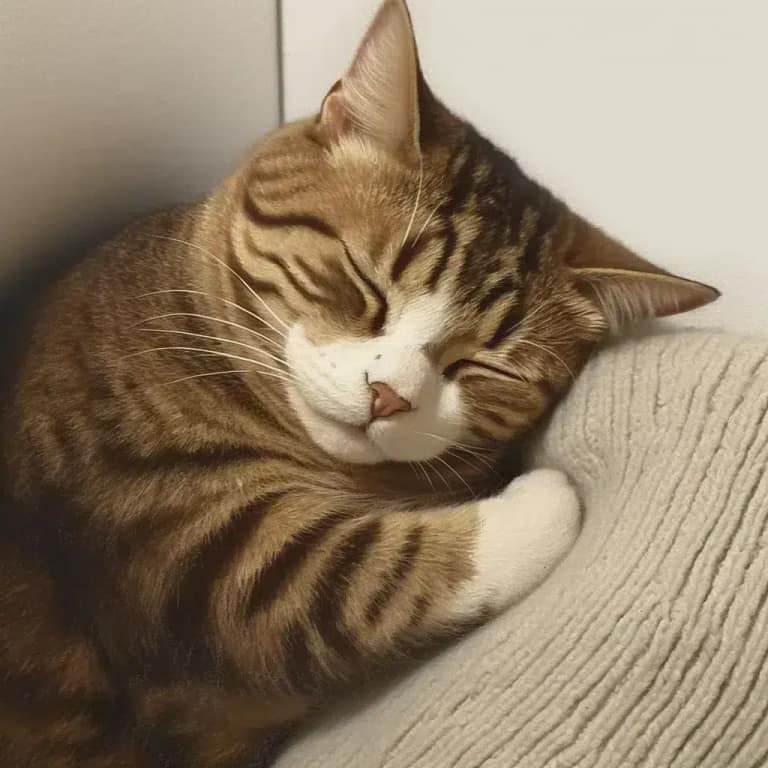
Cats are crepuscular animals, active during dawn and dusk. To conserve energy for these bursts of vigor, they sleep from 12 to 16 hours a day. Some even reach 20 hours!
When sleeping, cats go through different phases – light and deep sleep. They dream too! You may have seen your cat twitching or making noises while in deep sleep. This helps to simulate hunting experiences and keep their skills sharp.
Why all this sleep? Part of the answer lies in their history. Cats descended from solitary hunters who needed to save energy between hunts. Sleeping for long hours allowed them to stay alert on hunting expeditions.
We must understand how important sleep is for cats. Give them a comfortable and quiet bed so they can rest peacefully. And keep up with regular vet checks to identify any health conditions that can affect their sleep.
The Sleeping Habits of Cats
Cats’ Sleeping Patterns:
- Cats are known for their extensive sleeping habits, often sleeping for 13 to 14 hours a day.
- They have a unique ability to catnap throughout the day, finding small nooks and crannies to rest.
- Cats are crepuscular animals, meaning they are most active during dawn and dusk, which explains their increased sleep during the day.
- Their sleep is characterized by short periods of deep sleep followed by lighter sleep, allowing them to quickly wake up and react to any potential danger.
Moreover, cats have the ability to adjust their sleep patterns according to their environment, ensuring that they are always well-rested.
Pro Tip: Provide a quiet and comfortable sleeping area for your cat to promote healthy sleeping habits.
Cats sleep so much because rearranging furniture in the middle of the night is exhausting.
Sleep Duration
Cats nap a lot, and the length of sleep depends on their age and health. This table shows the average sleep time by age:
| Age | Average Sleep Time |
|---|---|
| Kitten | 20 hrs |
| Adult | 12-16 hrs |
| Senior | 15-20 hrs |
Apart from age, breed, environment, and health can also impact a cat’s sleep. For instance, some breeds are more active and need less sleep.
My friend’s cat, Whiskers, had a special sleep habit. Every night, she’d curl up on her owner’s lap and purr while she dozed off. It was so sweet!
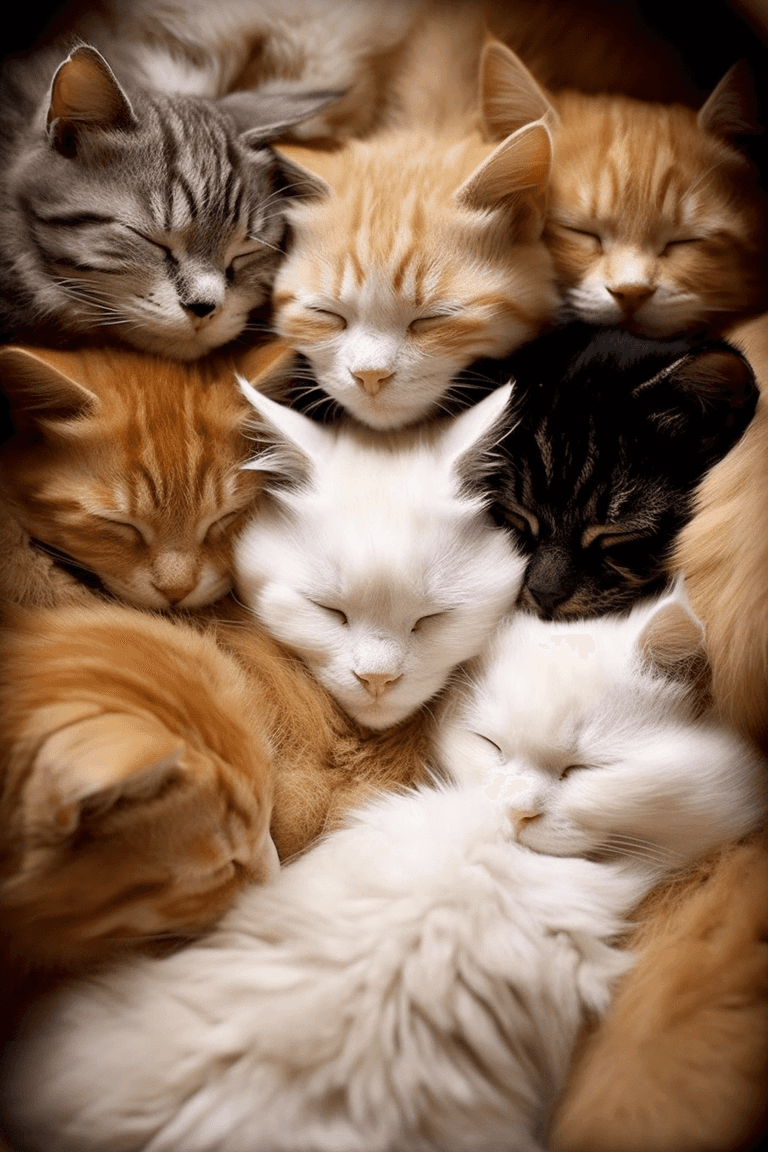
Cats have intriguing sleep habits that are full of mystery and beauty. Whether they’re snoozing for hours or cuddling with their owners, cats always make us smile.
Sleep Patterns
Cats’ Sleep Patterns:
Cats have captivating sleep patterns that vary from humans. Knowing their slumber customs is necessary for their welfare.
- Cats are crepuscular animals, meaning they are most lively at dawn and dusk.
- On average, cats snooze for around 12-16 hours per day.
- They experience two kinds of rest: deep sleep and REM (rapid eye movement) sleep.
- Cats can quickly doze off, allowing them to restore quickly.
- During deep rest, cats lower their heart rate and body temperature, safeguarding energy.
- Curious animals as they are, cats usually take a nap throughout the day to remain aware.
Besides these curious qualities, it’s important to note that cats’ sleeping patterns may shift based on factors such as age, health problems, and environmental changes. Comprehending your feline friend’s exclusive sleeping habits will help you provide for their specific needs better.
Now that you’re informed of the amazing sleep patterns of our feline pals, make sure not to bother them during their nap times. Contemplate creating a comfy spot for them where they can retreat when they require some shut-eye. By recognizing their necessity for undisturbed sleep, you add to their overall contentment and joy.
Reasons Why Cats Sleep So Much
Cats sleep for extended periods due to their natural instinct to conserve energy. This behavior helps them stay alert and ready for hunting and playing, as well as maintaining their overall health. So, it is perfectly normal for cats to sleep so much.
In their sleep, cats enter different sleep stages, including light sleep, deep sleep, and REM sleep. These stages play a vital role in their physical and mental well-being. During light sleep, cats can quickly wake up if they sense any potential danger. Deep sleep allows them to fully rest and restore their energy. REM sleep is when cats experience dreams and rapid eye movement.
Cats are crepuscular animals, meaning they are most active during dawn and dusk. Their sleep schedule is influenced by their hunting instincts, as these are the optimal times for hunting prey. By sleeping for long periods during the day, cats can conserve energy and be ready for their active hunting periods.
It’s fascinating to note that cats are considered one of the most sleep-dependent animals. On average, they sleep for 12-16 hours a day. This sleep duration allows them to recover from their physical activities and keep their reflexes sharp. In some cases, elderly or sick cats may sleep even more than usual to aid in their healing process.
According to a study by the Mayo Clinic, cats’ sleep patterns differ from those of humans. While humans have alternating periods of deep and REM sleep, cats can quickly transition between light and deep sleep. This unique sleep pattern allows cats to be alert and ready to pounce on any sudden stimuli.
Even though cats sleep a lot, they still manage to find time to plot world domination in their dreams.
Natural Instincts
Cats’ natural instincts make them sleep a lot. These instincts are part of their DNA and help them survive. Cats are predators and need to save energy to hunt, so they sleep.
There are natural instincts that affect cats’ sleep habits:
| Instinct | Description |
|---|---|
| Survival Mode | Cats are built to sleep long periods. This helps them save energy for hunting. |
| Nocturnal Nature | Cats are active at dawn and dusk. They need to rest during the day to have energy for nighttime activities. |
| Self-Preservation | Cats sleep to stay hidden from threats. It helps them stay unnoticed by predators. |
Other factors affect cats’ sleeping patterns. Cats have a high metabolic rate, so they need to refuel often. Domesticated cats often don’t get mental stimulation or exercise since they are indoors, so they sleep more.
To help your cat get rest, give them an environment with toys and places to climb. Play with them to mimic hunting activities and keep them mentally active. Also, set up a regular feeding schedule.
Knowing cats’ natural instincts helps create a good living environment for them. By giving them outlets for their needs and behaviors, you can help them have healthy sleep and overall well-being.
Energy Conservation
Cats, oh so adorable! They are known to sleep a lot. But why? It’s all about energy conservation.
- Resting helps cats save energy during non-active times.
- Being natural hunters, sleep makes them ready for a surprise pounce at any time!
- It also helps regulate their body temperature and keep energy usage low.
- Sleep gives them the power to be ready for action when needed.
Cats are amazing creatures. They have adapted to different environments and use their energy wisely.
Surprisingly, domestic cats sleep 12-16 hours a day! That’s double the amount humans sleep. This research by the American Veterinary Medical Association proves how important sleep is for cats.
So next time you see your kitty napping, remember they aren’t just lounging around, but conserving valuable energy!
Health Benefits
Sleep is crucial for cats! It gives them many health perks, improving their overall wellbeing and even their lifespan. So why do cats sleep so much?
- Rejuvenation: When they sleep, cats get to recover their body and mind. This helps them get their energy back and repair any damage.
- Reducing Stress: Just like us, cats can be stressed too. Sleeping helps them relax and lower any worries they had throughout the day.
- A Stronger Immune System: Sleep helps cats build a robust immune system. It allows their body to fight off illnesses and infections.
And there’s more! Deep sleep helps cats process info, aiding in memory and learning.
For the best sleep, here are some tips:
- A Cozy Place: Make sure your cat has a comfy bed or blanket to curl up in.
- Consistent Schedule: Establish a regular sleep schedule. This helps their internal clock, making better sleep patterns.
- Avoid Disturbances: Keep noise levels low and give them a tranquil space for peaceful rest.
By doing these suggestions, you’ll optimize your cat’s snooze time. A well-rested cat is a happy and healthy pet!
Common Misconceptions about Cat Sleep
Cats’ Sleep: Busting Common Misconceptions
Cats’ sleep patterns can be quite puzzling to understand. Here are some misconceptions about cat sleep that need clarification:
- Cats sleep all day: While cats do sleep for a significant portion of the day, they also engage in periods of activity and play.
- Cats are lazy: Cats may appear lazy due to their frequent napping, but they are actually highly energetic and have bursts of intense activity.
- Cats sleep at night: Contrary to popular belief, cats are crepuscular, which means they are most active during dawn and dusk. They may sleep more during the night, but they can also be active during these hours.
- Cats’ sleep is unimportant: Sleep is crucial for cats’ overall well-being, as it helps with their physical and mental health. It plays a vital role in their development, cognition, and immune system.
In addition to these misconceptions, it is worth noting that cats’ sleep patterns can be influenced by various factors such as age, health, and environment. Understanding these factors can help provide the best sleep environment for your feline companion.
Pro Tip: Creating a comfortable and quiet sleeping space for your cat can help promote better quality sleep and overall health.
The only exercise cats get is when they stretch their paws to scratch our furniture while we’re trying to take a nap.
Laziness
Cats’ sleep habits are often misunderstood as laziness. But they differ from humans’ patterns. Cats are crepuscular creatures, being most active at dawn and dusk. So they may look lazy during the day, but they are preparing for their active times.
Sleep is essential for cats. It helps conserve energy, regulate body temperature and support their immune system. It’s not laziness, but their body’s recharge and health.
Cats have natural predator instincts, which remain even in domesticated settings. Thus, they need ample sleep to be ready for any playtime and hunting opportunities.
The environment also affects a cat’s sleep patterns. If they feel safe and secure, they will have peaceful slumbers. So create a comfortable area for them.
We still have much to learn about cats’ nocturnal activities. By understanding their unique sleeping patterns and providing comfort, we can make sure they live fulfilled lives.
Pay attention to your furry friend’s well-being. Provide them with a cozy space for napping. Play interactive games during their active hours. This way, you’ll build a stronger bond and witness fascinating feline moments firsthand!
Boredom
Cats are hunters by nature and their instincts make them active during certain parts of the day. They need to play and explore, but also need to rest. This doesn’t mean they’re bored. Their behavior is just natural.
Providing mental and physical stimulation throughout the day can help keep cats from getting bored. You can give them interactive toys, scratching posts and even companionship.
Every cat has a unique personality and energy level. Some need more stimulation than others. It’s important to know your cat’s behavior and give them the environment they need. This will make them happier and healthier.
Rather than thinking a sleeping cat is bored, take time to understand their needs. This will create a stronger bond between you and your feline friend. Don’t miss out on playtime, it will benefit you both in the long run.
Tips for Ensuring a Healthy Sleep Environment for Cats
Tips for Creating an Optimal Sleep Environment for Felines
To ensure that your cat enjoys a healthy sleep environment, consider the following tips:
- Provide a comfortable bed: Choose a cozy cat bed with soft bedding or blankets that offer support and warmth.
- Find a quiet location: Cats thrive in peaceful surroundings, so place their bed in a quiet area away from noise and disruptions.
- Maintain appropriate temperature: Ensure that the room temperature is suitable for your cat, neither too hot nor too cold.
- Control lighting: Create a sleep-friendly atmosphere by keeping the room dimly lit or using curtains to block out excessive light.
- Minimize disturbances: Avoid sudden loud noises or activities near your cat’s sleeping area to promote uninterrupted rest.
- Regular cleaning: Regularly wash your cat’s bed and bedding to maintain cleanliness and prevent the buildup of allergens.
In addition to these tips, consider your cat’s individual preferences and habits, such as providing a scratching post or incorporating familiar scents in their sleeping area. By understanding your cat’s needs and creating an ideal sleep environment, you can contribute to their overall well-being and ensure they get the restful sleep they need.
Even if you buy your cat the fanciest bed, they’ll still choose to sleep on your brand new sweater.
Providing Comfortable Sleeping Areas
Cats require cozy sleep environments for their well-being. Here’s how to make sure they get one:
- Soft bedding: Cats love snuggling into plush items. Offer them a soft blanket or bed.
- Elevated spots: Cats like being up high, it gives them a sense of security. Provide cat trees or shelves for them to sleep while also seeing their surroundings.
- Multiple options: Cats have different sleeping preferences, like humans. Give them different beds, such as open mats or enclosed spaces.
- Quiet & peaceful: Cats are sensitive to noise and disruptions. Ensure their sleeping area is quiet and away from loud activities or appliances.
- Cleanliness: Clean the sleeping area regularly. This creates a healthier environment and makes it more inviting for them.
Remember that each cat has their own preferences and habits. Observe your cat’s behavior and adapt the sleeping area accordingly.
Creating comfortable sleeping areas for cats is easier with these basic considerations. Your feline friend will certainly enjoy quality rest.
Establishing a Regular Sleep Routine
Establishing a regular sleep routine is essential for cats’ health and well-being. Being nocturnal, cats have unique sleeping patterns. To create a schedule for your feline companion, here are 3 steps:
- Comfy sleeping environment – Give your cat a place to sleep that’s away from noise and distractions. Invest in a bed or blanket designed for cats, for a space that encourages relaxation and uninterrupted sleep.
- Consistent sleep times – Cats like routine, so it’s important to set consistent sleep times each day. This will help regulate their internal clock and get the right amount of sleep each night.
- Pre-sleep activities – Like humans, cats benefit from winding down before bedtime. Try gentle play or grooming sessions. This will help calm your cat’s mind and body, getting them ready for a restful night.
Remember, cats have individual sleep needs and preferences. Pay attention to your cat’s behavior and adjust their sleep routine accordingly. Establishing a regular sleep routine for your cat will benefit their health, and strengthen the bond between you both. Make sure they get quality rest – so they can wake up refreshed, energized, and ready for more adventures!
Managing External Factors that Disrupt Sleep
External factors can really disturb a kitty’s slumber, making them anxious and grumpy. To ensure a healthy sleeping environment, it’s important to manage these factors successfully.
Noise is one key factor to take into account. Kitties are sensitive to sound and loud noises can easily disturb them. Place the cat’s bed in a quiet area in the home, away from appliances that make noise or places with lots of people walking around. If needed, use materials which muffle sound from the outside.
Light is also a factor that can ruin a cat’s rest. Cats are crepuscular, which means they’re most active at dusk. But, too much artificial light or sunshine during the day can mess up their sleep. Make sure your cat has a dark, peaceful place to sleep, using curtains or blinds to block out extra light.
Temperature is an important factor to think about. Extremely hot or cold can cause discomfort and stop them from getting enough rest. Maintain a moderate temperature with air con or heating if necessary. Also, give your cat soft bedding to help adjust their body temperature.
Finally, I had a neighbor near a busy road. The constant sound of cars would keep my cat awake at night. To fix this, I installed soundproof windows at home. This reduced the noise level and my furry friend got to enjoy some good sleep.
By controlling external factors such as sound, light, and temperature, you can make a perfect sleeping environment for your feline buddy. Just like humans, cats need quality rest to stay happy and healthy.
Conclusion
Cats are known to sleep a lot. Research shows this is rooted in their biology. While it may seem excessive to us, the amount of sleep cats get is important for their well-being.
Cats tend to be most active at dawn and dusk. During this time, they hunt and do other activities that need energy. So, cats need rest and sleep to have enough energy to do these activities.
Cats’ natural instinct as predators affects their sleeping habits as well. Hunting needs energy bursts that need to be followed by rest and sleep. Cats sleep for long hours so they can be ready for any prey or threat.
Surprisingly, even though indoor cats don’t have to hunt for food, they still have the same sleep patterns as wild cats. This suggests that the need for long sleep is biological and not influenced by external factors.
Frequently Asked Questions
1. Why do cats sleep so much?
Cats sleep a lot because they are naturally designed to do so. They are predators by nature and conserve their energy for hunting. Sleeping helps them recharge and be ready for their active moments.
2. How much do cats sleep in a day?
Cats typically sleep for 12 to 16 hours a day on average. However, this duration can vary depending on factors like age, overall health, and individual personality. Kittens and senior cats tend to sleep even more.
3. Do indoor cats sleep more than outdoor cats?
Indoor cats tend to sleep more than outdoor cats. Outdoor cats have more stimuli and activities available that keep them awake and engaged. Indoor cats have a controlled environment and may need to sleep more to compensate for the lack of physical exertion and mental stimulation.
4. Can cats sleep too much?
While cats naturally sleep a lot, excessive sleep could be a sign of underlying health issues. If you notice a sudden increase in your cat’s sleeping time, it is advisable to consult a veterinarian to rule out any potential health problems.
5. Should I wake up my cat from its sleep?
No, you should avoid waking up your cat from its sleep unless there’s a genuine need. Cats need their rest, and interrupting their sleep can disrupt their natural sleep-wake cycle, leading to irritability or sluggishness.
6. How can I ensure my cat gets good quality sleep?
To help your cat get good quality sleep, provide them with a quiet and comfortable sleeping area away from disturbances. Establish a regular sleep routine and avoid disrupting their sleep time. Additionally, ensure they have enough mental and physical stimulation during their awake hours to promote a balanced sleep-wake cycle.